
Community Inclusive ABA Summer Camps 101: A Georgia Parent’s Guide to Mixing Fun and Skill-Building
For many families in Georgia, the transition from the structured school year to the unstructured months of summer can feel like a daunting hurdle. While other children look forward to a break from the classroom, parents of children with autism or developmental disabilities often worry about the "summer slide": a regression in social skills, communication, and behavioral regulation.
At Myers Assessment & Therapeutic Service (MATS), we understand that summer shouldn't just be about "getting through the day." It should be an opportunity for growth, exploration, and community integration. This is where Community Inclusive ABA Summer Camps come into play. These programs are designed to bridge the gap between clinical therapy and real-world fun, ensuring your child remains supported while enjoying everything a Georgia summer has to offer.
Understanding ABA in a Camp Setting
Applied Behavior Analysis (ABA) is the gold standard for treating autism and related disorders. In a traditional clinical setting, ABA might involve Discrete Trial Training (DTT): highly structured, one-on-one sessions in a controlled environment. However, for skills to truly stick, they must be generalized.
Generalization is the ability of a child to apply a learned skill in different environments, with different people, and across various situations. A community-inclusive camp utilizes Natural Environment Teaching (NET). This means instead of sitting at a desk, a child might practice "waiting their turn" while standing in line for the slide at a local Gwinnett or Fulton County park.
Key Roles in an ABA Camp
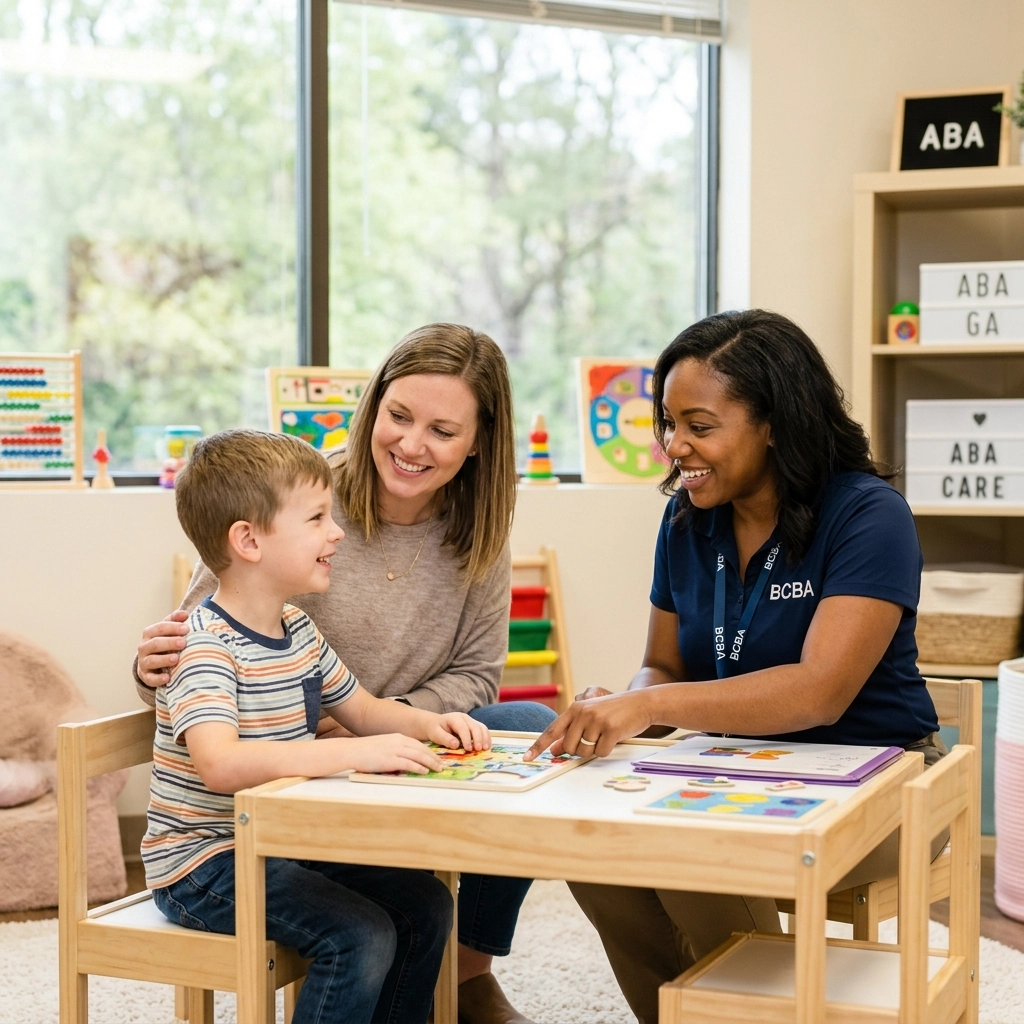
To maintain clinical integrity, these camps are typically overseen by a Board Certified Behavior Analyst (BCBA). The day-to-day interactions are facilitated by Registered Behavior Technicians (RBTs) or trained shadows. This high staff-to-camper ratio ensures that every "fun" moment is also a "teachable" moment.

Why "Inclusive" Matters for Georgia Families
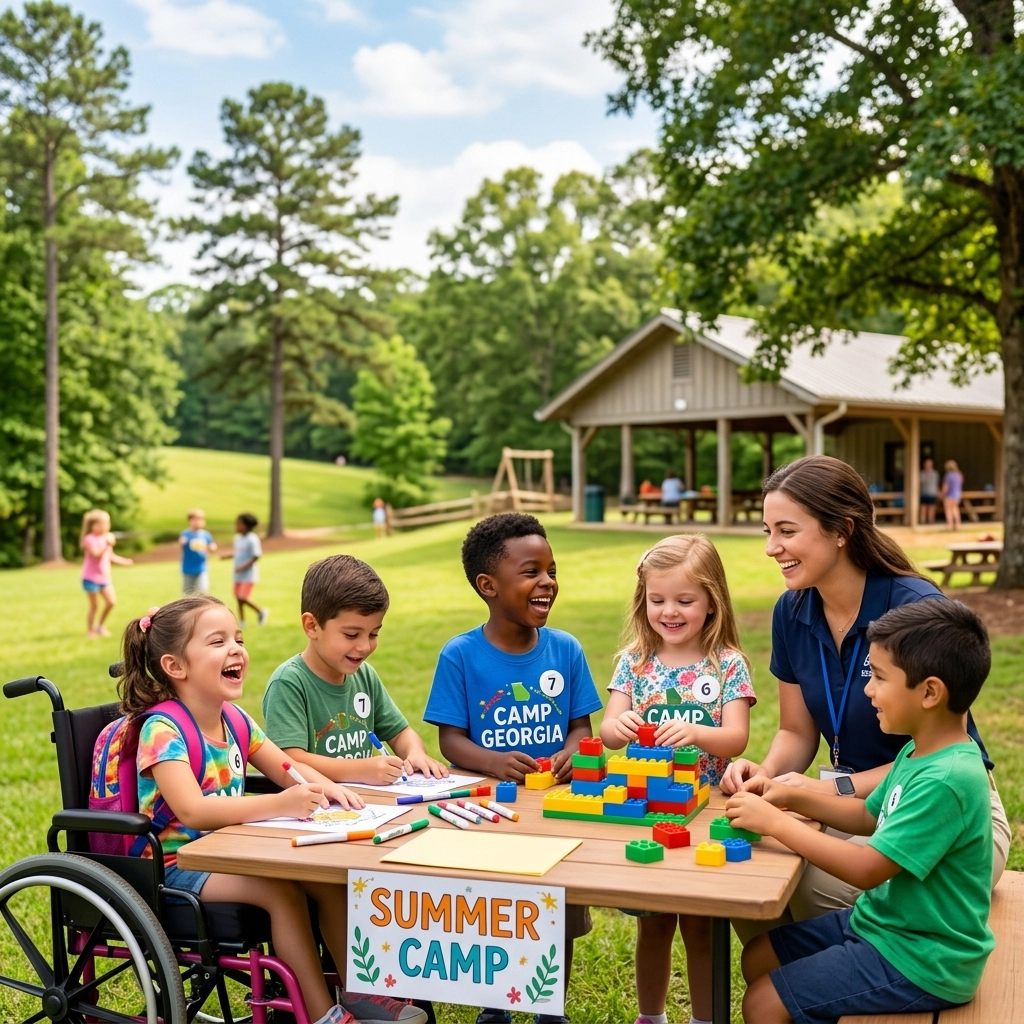
Inclusion isn't just a buzzword; it is a critical component of social development. A Community Inclusive camp means that children with neurodivergent needs are participating alongside their neurotypical peers.
Benefits of Inclusion:
- Peer Modeling: Children learn social cues, conversational turn-taking, and play skills by observing and interacting with peers.
- Reduced Stigma: Being part of the local community: at the library, the pool, or the zoo: helps normalize neurodiversity within Georgia neighborhoods.
- Real-World Application: Skills like following a schedule or requesting a snack are practiced in the exact settings where they will be used in daily life.
By focusing on physical activities and community engagement, these programs help children move beyond the "therapy room" mindset.
What to Look for in a Quality ABA Summer Program
Not all camps are created equal. When searching for the right fit for your child this summer, Georgia parents should prioritize programs that offer a balance of safety, clinical oversight, and engagement.
1. Individualized Goals (IEP Alignment)
The summer should ideally reinforce the goals set in your child’s Individualized Education Program (IEP) or current Behavior Intervention Plan (BIP). Ask the camp directors if they conduct a baseline assessment or if they coordinate with your child's school-year providers.
2. High Staff-to-Camper Ratios
Safety is paramount. In an inclusive setting, the environment is less controlled than a clinic. Ensure the program offers 1:1 or 2:1 support depending on your child's specific needs. This level of supervision allows for immediate reinforcement of positive behaviors and quick de-escalation if a "meltdown" or crisis occurs.
3. Community-Based Instruction
Does the camp stay in one building all day, or do they venture out? A true community-inclusive program will utilize local resources. Whether it’s a trip to a local Georgia farm or a structured visit to a community center, these outings are vital for building functional life skills.

The MATS Philosophy: Beyond the Clinic Walls
At Myers Assessment & Therapeutic Service (MATS), our mission is centered on empowering individuals and families through comprehensive support. We believe that therapy is most effective when it is woven into the fabric of daily life.
Our approach to community-based support involves:
- Functional Behavior Assessments (FBA): Understanding the "why" behind a behavior to create effective strategies for the camp environment.
- Social Skills Training: Structured play that teaches children how to initiate and maintain friendships.
- Family Partnership: We don't just work with the child; we provide parents with the tools to continue the progress at home.
If you are looking for specialized support or allied healthcare services that can complement your child’s summer experience, exploring our services is a great first step.
Preparing Your Child for the Transition
Even the most "fun" camp can be stressful for a child who thrives on routine. To ensure a successful start, consider the following preparation steps:
Create a Visual Schedule
Transitioning from school to camp is a big shift. Use a visual calendar to count down the days until camp starts. Once camp begins, a daily visual schedule can help the child understand the sequence of events (e.g., "First: Morning Circle, Then: Pool Time").
Visit the Location Early
If the camp is hosted at a specific community center or park, take your child there a few times before the program starts. Familiarity with the playground, the bathrooms, and the layout can significantly reduce anxiety on the first day.
Update the "All About Me" Form
Provide the camp staff with a detailed list of your child’s likes, dislikes, triggers, and communication style. If your child uses an Augmentative and Alternative Communication (AAC) device, ensure the staff is trained on how to support its use in a community setting.

Balancing Therapy with "Just Being a Kid"
One of the common concerns parents have is that their child is "over-therapied." It is a valid worry. The beauty of an inclusive ABA camp is that the therapy is "invisible."
While the RBT is tracking data on a tablet, the child is simply playing tag. While the BCBA is adjusting a reinforcement schedule, the child is learning how to share a bucket at the sandbox. This balance ensures that the child is making clinical gains without feeling the burnout of a 40-hour-a-week clinical schedule.
For families requiring more intensive support, such as disability housing plans or domestic assistance, integrating camp into a larger care plan can provide the necessary respite for parents while the child stays active.
Local Georgia Resources for Summer Planning
Georgia offers a variety of resources to help offset the costs and logistical challenges of summer programming.
- NOW/COMP Waivers: These can sometimes be used to fund specialized summer support services.
- Parent to Parent of Georgia: An excellent resource for finding local inclusive events and camp directories.
- Local Parks and Rec Departments: Many Georgia counties (Cobb, DeKalb, Forsyth) offer "adaptive" programs that can be paired with private ABA shadows.

Setting Realistic Expectations
Progress during the summer might look different than progress during the school year. Instead of mastering new academic concepts, the "win" might be that your child successfully sat through a community movie screening or ordered their own ice cream at a local shop.
These functional milestones are the building blocks of independence. At MATS, we celebrate these victories because we know they represent a child who is becoming more comfortable and capable in the world around them.
Looking Ahead: Post-Summer Success
The goal of any summer program should be a seamless transition back to the classroom in August. By maintaining a level of clinical support throughout June and July, children are less likely to experience the behavioral escalations that often accompany the return to school.
Data collected during camp can be shared with your child’s school team to provide insights into how they performed in less structured, community-based environments. This collaborative approach ensures that the "summer of fun" translates into a "fall of success."

Conclusion: Start Planning Your Georgia Summer Today
The key to a successful inclusive summer is early planning. Many of the top programs in Georgia fill up by late spring.
If you're feeling overwhelmed by the options, remember the MATS goal: Inclusive, community-focused, and data-driven care. Whether you are looking for community nursing support or simply want to learn more about how to support your child's development, we are here to help.
Visit our homepage to learn more about our commitment to Georgia families, or browse our services to see how we can support your journey toward growth and independence this year. Let’s make this summer the most rewarding one yet!