


Why Did My ABA Hours Get Reduced? A Georgia Parent’s Guide to Insurance Changes and What to Do Next
You opened the letter from your insurance company or Georgia Medicaid. Your child's ABA therapy hours have been reduced.
Maybe from 30 hours per week down to 15. Or from 40 down to 20.
Your first reaction? Panic. Frustration. Confusion.
You're not alone. Many Georgia families face unexpected hour reductions in 2026: and most of these changes have nothing to do with your child's progress or need for services.
Here's what's actually happening, how to read the letter you received, and what steps you can take to protect your child's therapy access.
Why Insurance Companies and Medicaid Reduce ABA Hours in Georgia
Hour reductions rarely mean your child no longer needs therapy. In most cases, they stem from administrative factors rather than clinical decisions.
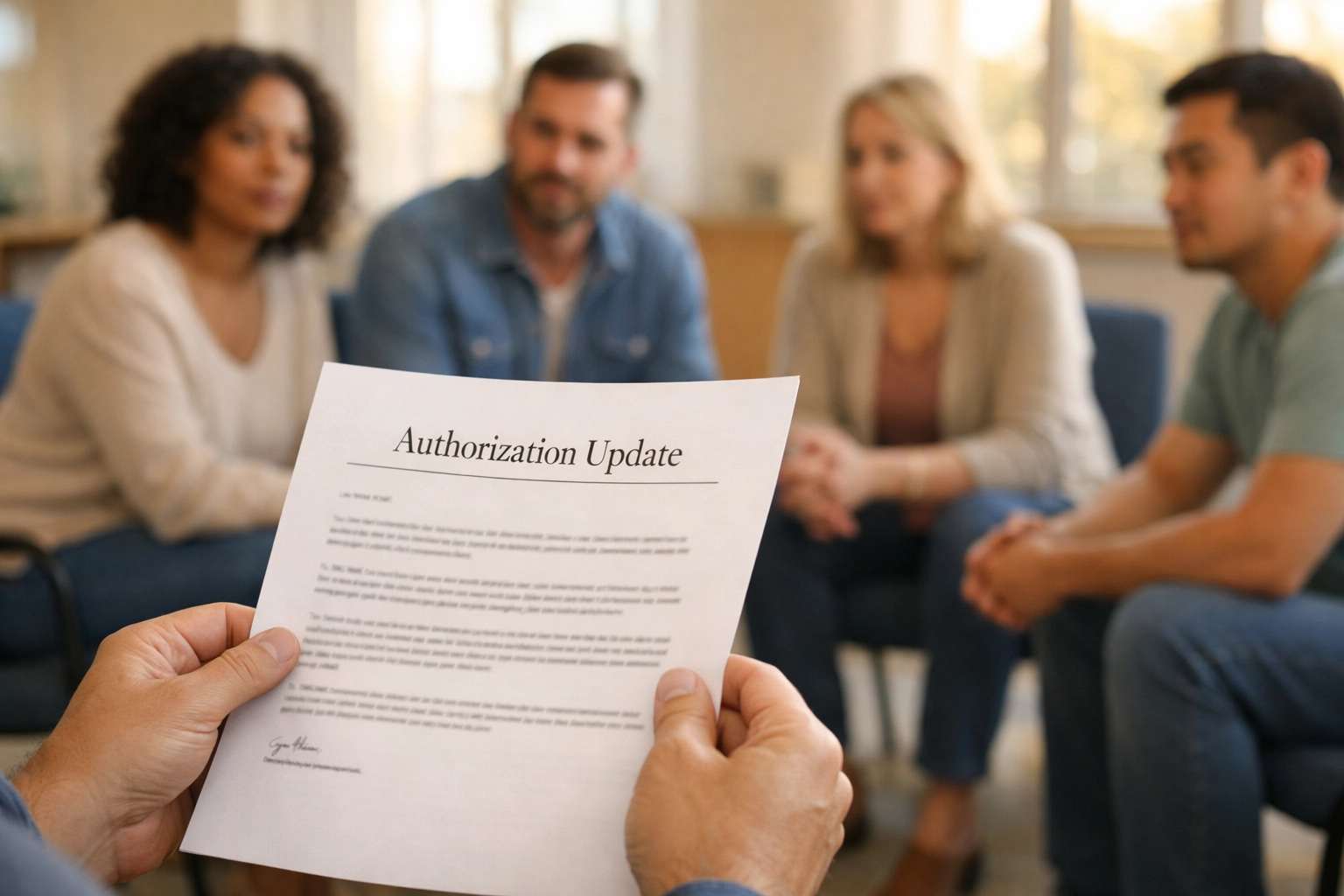
Common reasons include:
- Reauthorization cycles: Many plans require reassessment every 6 months. A delay or incomplete documentation during this process can trigger temporary reductions.
- Changes to prior authorization processes: Insurance companies periodically update how they review and approve ABA services: even if state law hasn't changed.
- Medical necessity reassessments: Your child's BCBA submits updated treatment goals and progress data. If the insurer's reviewer interprets this data differently, they may recommend fewer hours.
- Administrative delays: Missing paperwork, slow processing times, or backlogs can result in reduced authorizations until everything gets resolved.
- Budget adjustments: While Georgia law mandates autism coverage, some insurers shift how they administer benefits year to year, affecting individual cases.
Important: Georgia's autism insurance law hasn't been cut. Private insurance must still cover up to $35,000 annually for children under 6 and $30,000 annually for children over 6. Georgia Medicaid (Pathways to Coverage) remains extended through December 31, 2026.
Your child's coverage is still there. The question is how to navigate the authorization process.
How to Read a Denial or Reduction Letter
The letter matters. Every word.
Most parents skim it, feel overwhelmed, and set it aside. Don't do that.
Look for these critical details:
- Effective date: When does the reduction start?
- Reason code: Most letters include a specific code or category explaining why hours were reduced (e.g., "medical necessity not established," "insufficient documentation," "services exceed plan limits").
- Hours approved vs. hours requested: Compare what your BCBA asked for against what was authorized.
- Appeal deadline: You typically have 30-60 days to file an appeal. Missing this window can delay your child's access to services.
- Reviewer's rationale: Some letters include a brief explanation from the medical reviewer. This tells you what documentation or justification they found lacking.
Pro tip: If the letter doesn't clearly state the reason, call the insurance company immediately. Ask for the specific clinical justification. Request a copy of the utilization review notes if available.
Document everything. Write down the representative's name, date, time, and what they told you.
The Role of Medical Necessity and Reassessments
Insurance companies don't approve ABA hours based on your child's diagnosis alone. They evaluate medical necessity: whether the services are clinically appropriate and likely to produce meaningful outcomes.

What medical necessity means in practice:
- Your child's assessment data (ABLLS-R, VB-MAPP, or other standardized tools) shows measurable skill deficits.
- The treatment plan includes specific, measurable goals tied to those deficits.
- Progress data demonstrates that ABA therapy is working: or explains why changes in approach are needed.
- The recommended hours align with your child's needs, not arbitrary limits.
Here's the catch: Medical necessity determinations are subjective. One reviewer might approve 40 hours per week. Another might only approve 20 for the same child.
This is why documentation quality matters. Your BCBA must provide clear, data-driven justification for every hour requested.
During reassessments, insurance companies often reduce hours if progress looks "too good" or if goals aren't updated to reflect new skill targets. They may interpret steady progress as a reason to taper services: even if your child still requires intensive support to maintain gains.
Georgia Coverage Limits: What Your Plan Actually Says
Not all insurance plans operate the same way in Georgia.
Private Insurance:
- Annual caps: $35,000 for children under 6; $30,000 for children over 6.
- Some plans specify weekly hour limits: 40 hours per week for children under 6; 20 hours per week for children ages 7-12.
- Coverage extends through age 18 (some plans continue through age 21).
Georgia Medicaid (Pathways to Coverage):
- No annual dollar cap: coverage is determined by medical necessity only.
- Protected under federal EPSDT rules, which require coverage for all medically necessary services for children under 21.
- Extended through December 31, 2026, maintaining current benefit levels.
If your private insurance plan refuses to authorize medically necessary hours below Georgia's mandated coverage, that's a violation. You have grounds to appeal.
If Georgia Medicaid reduces hours citing budget constraints, that's also a violation. EPSDT rules prohibit budget-based denials when services are medically necessary.
Steps to Appeal or Request a Peer-to-Peer Review
An appeal isn't just paperwork. It's your formal request for the insurance company to reconsider their decision.
Follow this process:
1. Contact your BCBA immediately.
Your provider should be your first call. They'll review the reduction letter and determine whether the decision is clinically justified. Most reductions are not.
2. Request a peer-to-peer review.
This is a phone call between your child's BCBA and the insurance company's medical reviewer (usually another BCBA). It allows your provider to explain why the recommended hours are medically necessary. Many reductions get reversed at this stage.
3. File a formal appeal.
If the peer-to-peer doesn't work, submit a written appeal. Include:
- A detailed letter from your BCBA explaining medical necessity.
- Updated assessment data and progress reports.
- Your child's current treatment plan with specific goals.
- Any supporting documentation (school reports, physician notes, etc.).
4. Involve your pediatrician or diagnosing clinician.
A letter from your child's physician supporting the need for ABA therapy strengthens your case. Insurance companies often give more weight to MD recommendations.
5. Escalate if necessary.
If your internal appeal is denied, request an external review through the Georgia Department of Insurance. For Medicaid cases, file a fair hearing request with the Georgia Division of Family and Children Services.

Timeline matters. Start your appeal immediately. Don't wait until hours are reduced and your child experiences service gaps.
Common Mistakes Parents Make During the Appeal Process
- Waiting too long: Appeal deadlines are strict. Missing them can mean months of reduced services.
- Not documenting conversations: Always get confirmation numbers, reference numbers, and names when you call your insurance company.
- Relying solely on verbal promises: If a representative says hours will be reinstated, get it in writing.
- Failing to involve your provider: Your BCBA has experience navigating these situations. Let them lead the clinical justification.
How MATS Supports Families During Authorization Hurdles
At Myers Assessment & Therapeutic Service (MATS), we don't just provide ABA therapy. We advocate for your child's access to services.
When Georgia families face hour reductions, our team:
- Reviews denial and reduction letters to identify weak points in the insurance company's rationale.
- Conducts peer-to-peer reviews with insurance medical reviewers to justify recommended hours.
- Prepares comprehensive appeal documentation backed by data and clinical evidence.
- Coordinates with your child's pediatrician and other providers to strengthen your case.
- Guides you through the Medicaid fair hearing process if needed.
We've successfully reversed dozens of hour reductions for families across Tyrone, Peachtree City, Fayetteville, and South Metro Atlanta. Most get resolved before services are interrupted.
You don't have to navigate this alone. Our team handles the administrative burden so you can focus on your child.
What to Do While Your Appeal Is Pending
Hour reductions don't always take effect immediately. In many cases, your child can continue receiving their current level of services while the appeal is reviewed.
Ask your insurance company about:
- Continuation of benefits: Some plans allow services to continue at the previous authorization level during appeals.
- Retroactive approval: If your appeal is successful, you may receive backdated authorization for any service gaps.
In the meantime, work with your BCBA to prioritize therapy goals. If hours are temporarily reduced, focus on the highest-impact skills and involve parents in more parent training sessions to bridge gaps.
The Bottom Line for Georgia Families
ABA hour reductions in 2026 are frustrating: but they're not final.
Georgia law protects your child's access to medically necessary ABA therapy. If hours are reduced without clinical justification, you have the right to appeal.
Start with your BCBA. File your appeal quickly. Document everything. Escalate if needed.
And if you're navigating insurance hurdles alone, reach out to MATS. We'll help you fight for the services your child deserves.
Your child's progress matters. Don't let administrative delays stand in the way.